While the extended-stay hotel segment has flourished in the United States for decades, other major markets have lagged in adopting this profitable model. In Spain, the world’s second-largest tourism market, this gap has persisted even as tourism remains the most important component of the economy. However, a wave of regulatory ineptitude is paradoxically paving the way for a new generation of extended-stay players.
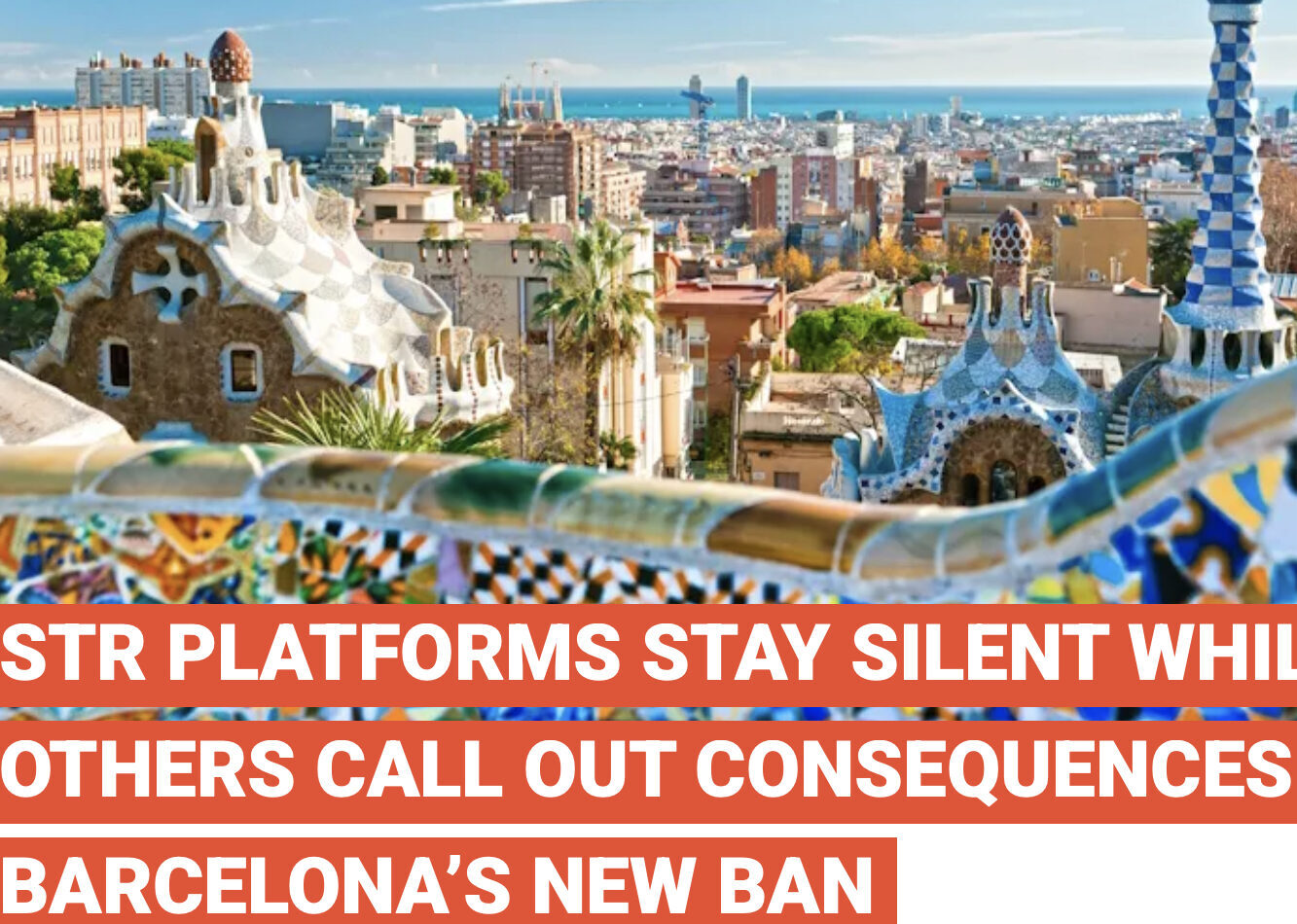
Spain’s tourism sector is under fire from national and local ill-conceived policies that range from imposing arbitrary taxes to outright banning short-term rentals, introducing restrictions on urban planning, capping hotel licenses, and imposing so-called ‘ecological’ fees or entry fees. Ironically, these measures are doing little to reduce tourist numbers or improve quality of life for residents. Instead, they have created financial strain for travellers and inflated hotel asset prices, leading to record profits for established operators and asset owners, while reducing residential housing availability.
However, nature always finds its way, and thanks the unintended consequences of these non-sense policies, a new breed of hospitality players is seizing the opportunity to enter the market with appealing extended-stay concepts. Groups such as Numa, Limehome, SmartRental Group, and Líbere, amongst several others, are beginning to make significant inroads into market share previously held by conventional hotels. Their success stems from streamlined operations with minimal staffing, a customer-centric approach driven by app-based management, and a focus on FF&E standards well above those typical of independently owned tourist apartments.
Unlike traditional hotel chains, these extended-stay players are mostly newcomers (PE plays), lacking strong brand recognition. However, property owners are being enticed by high lease levels (up to 40% of sales) allowing these companies to thrive despite the branding void. Additionally, lower labour operational costs facilitate a cluster approach to development, decreasing the minimum unit number requirement for owners, hence making their growth pace even faster.
The demand for extended-stay options is clear. Over the last 12 months, the tourist apartment market experienced impressive total revenue growth, with Málaga seeing a 58,23% volume increase, followed by 54,90% in San Sebastián, 52,83% in Palma, 37,68% in Valencia, 32,87% in Madrid, and 12,14% in Barcelona, according to AirDNA. With over 548.700 listings across Spain, the sector is ripe for consolidation as new extended-stay concepts rapidly gain traction.
The success of Spain’s extended-stay sector underscores the resilience of the market despite regulatory distortion. This story clearly illustrates how free-market dynamics, paired with human intelligence, can overcome obstacles posed by political and bureaucratic incompetence. Sadly, we are witnessing these days in Spain, how this humankind safety-net can also grow into a powerful force, even during more tragic and dramatic events of our daily lives.