2. Brand and Operating Format Selection
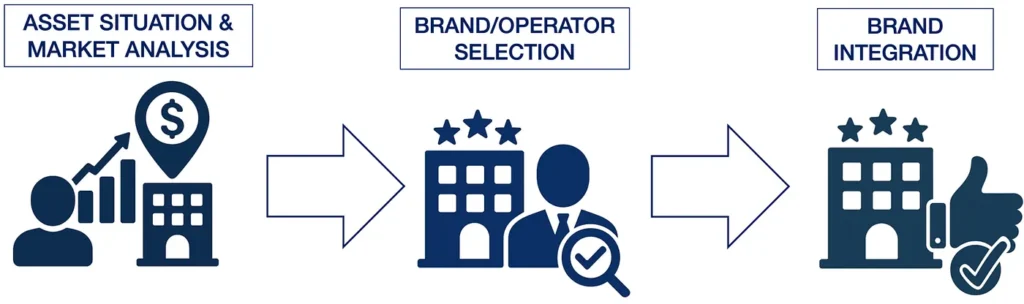
Once we have clearly defined the asset’s potential, we should identify the brand profile that best fits both the characteristics of the property and the dynamics of its market.
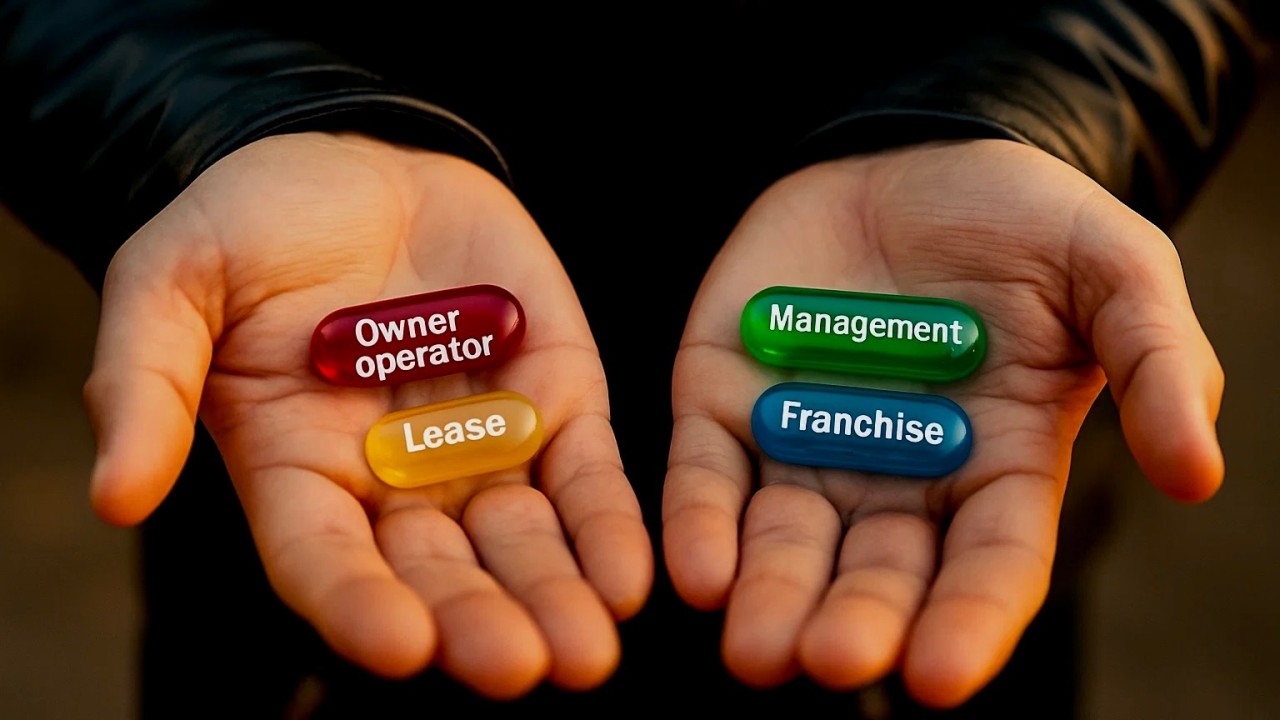
Depending on the project’s needs, we may work with the existing management structure already in place, help the owner set up a new operating platform, or introduce a professional third-party operator. In any of these cases, we should ensure that the management team brings to the table proven experience in assets and destinations with a similar profile.
Also, where it makes economic sense, we suggest disassociating the brand from the management function. This approach will allow us to combine the strongest possible commercial engine of a global brand with the most efficient local cost structure available in that particular location.
Throughout the brand selection process, we should assess the alignment of each shortlisted brand with the asset’s positioning and attributes. We then will proceed to negotiate the most favourable commercial terms, covering contractual conditions, investment requirements, systems, brand support and commercial contribution.
3. Brand Integration
Finally, it will be essential to land our strategy and start coordinating and managing the integration of the brand into the hotel property. This includes defining the required FF&E investment to meet brand standards, overseeing interior design decisions, verifying soundproofing, checking the right lighting, planning properly the public areas and implementing additional services such as F&B, meeting spaces, a gym concept, a pool area, if relevant, wellness facilities, etc.
All these elements play a decisive role in delivering a guest experience that genuinely reflects the values and promises of the selected brand.
In summary, selecting the right hotel brand is a strategic decision that spans far beyond operational considerations. It defines the identity of the project, its market positioning and its long-term profitability. When we combine rigorous analysis, disciplined negotiation and coherent execution, the brand becomes a true value-creation tool — enhancing the asset, differentiating it from competitors and maximising returns for the owner.