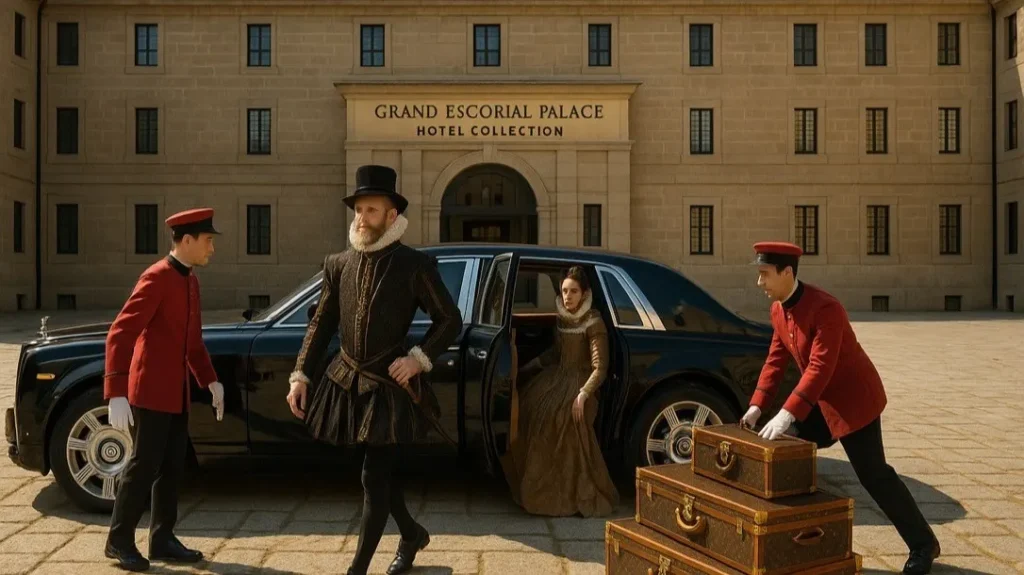
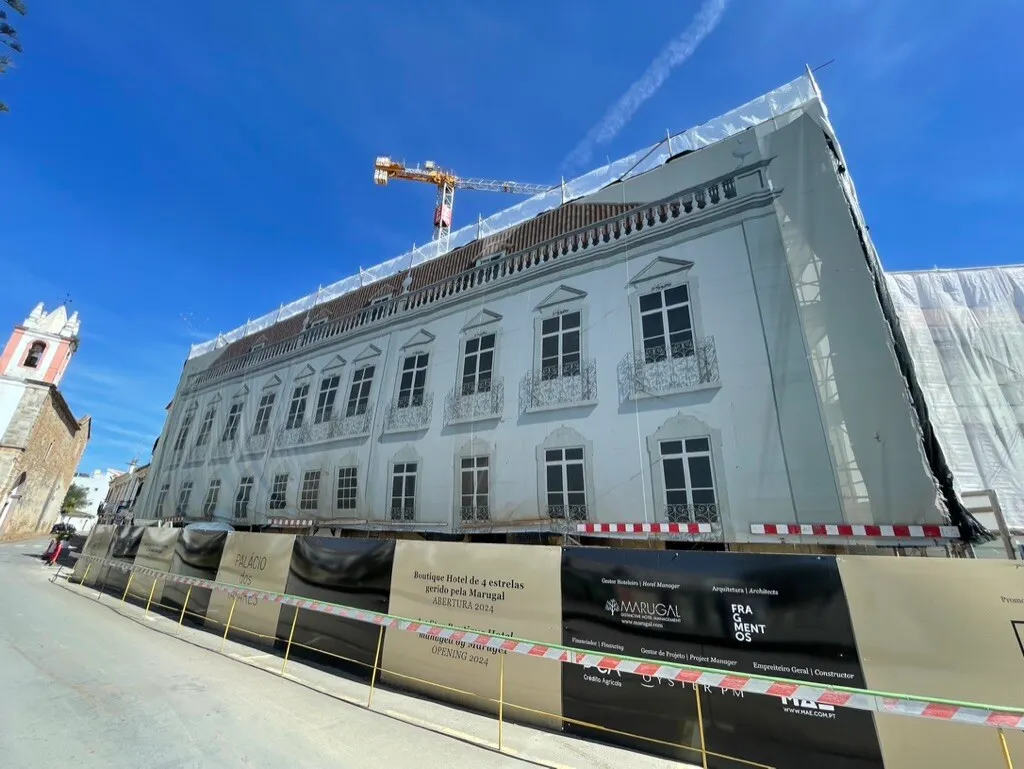
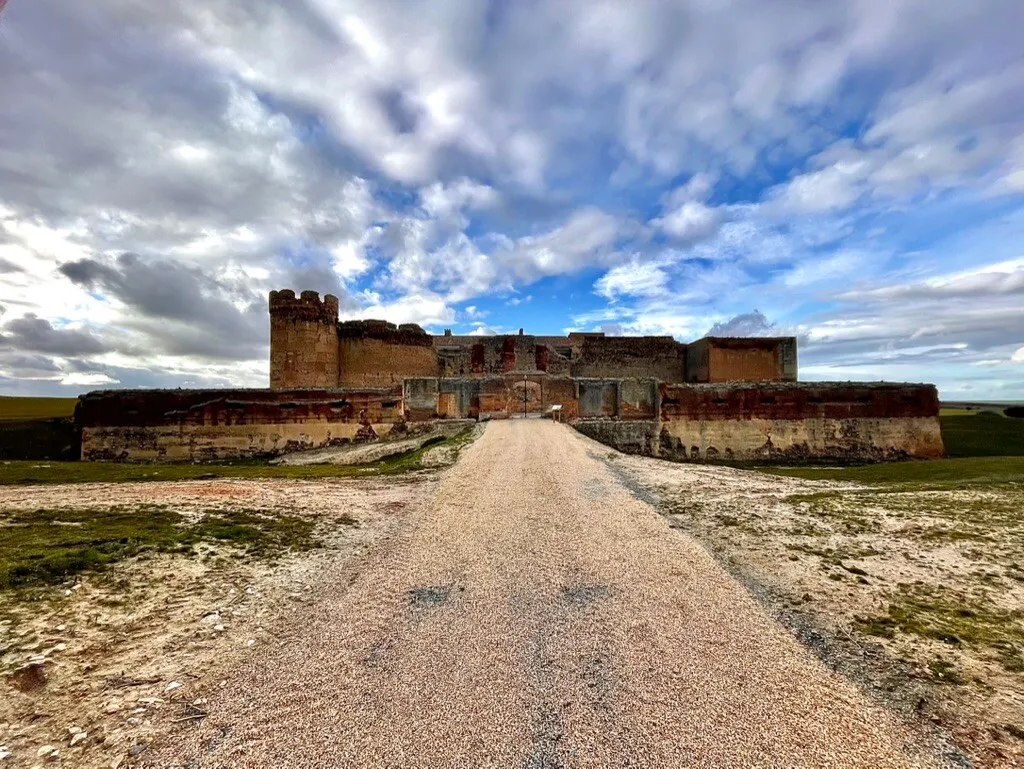
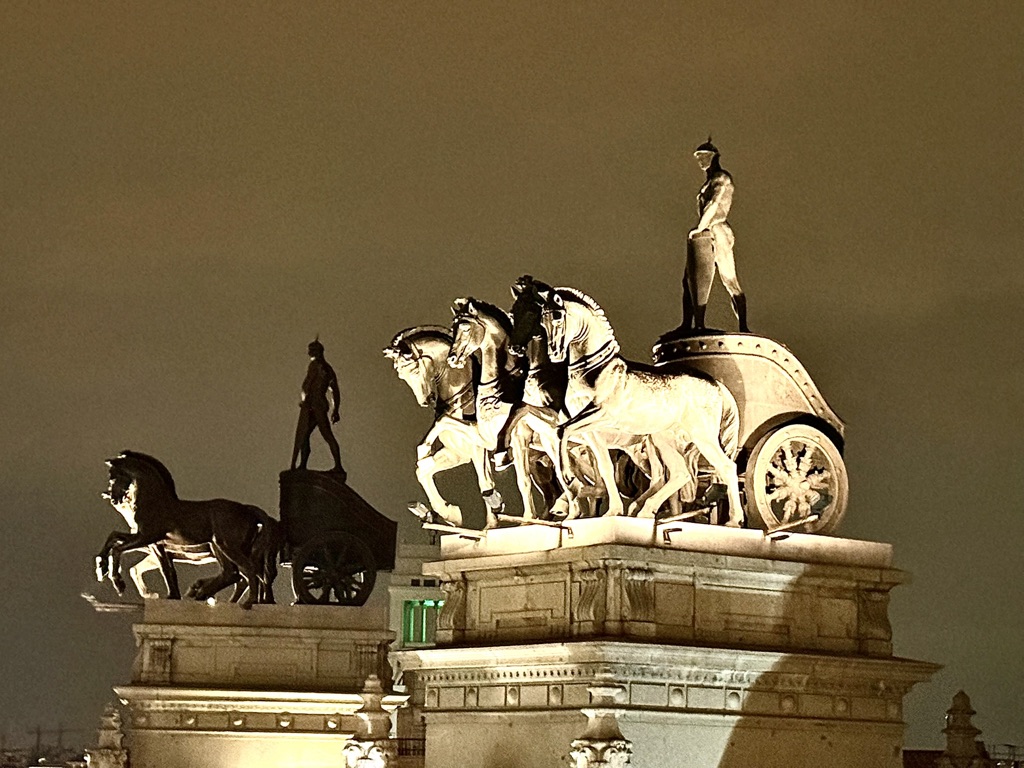
Spain’s extraordinary historic architectural heritage offers a unique opportunity to develop distinctive and highly differentiated hotel products.
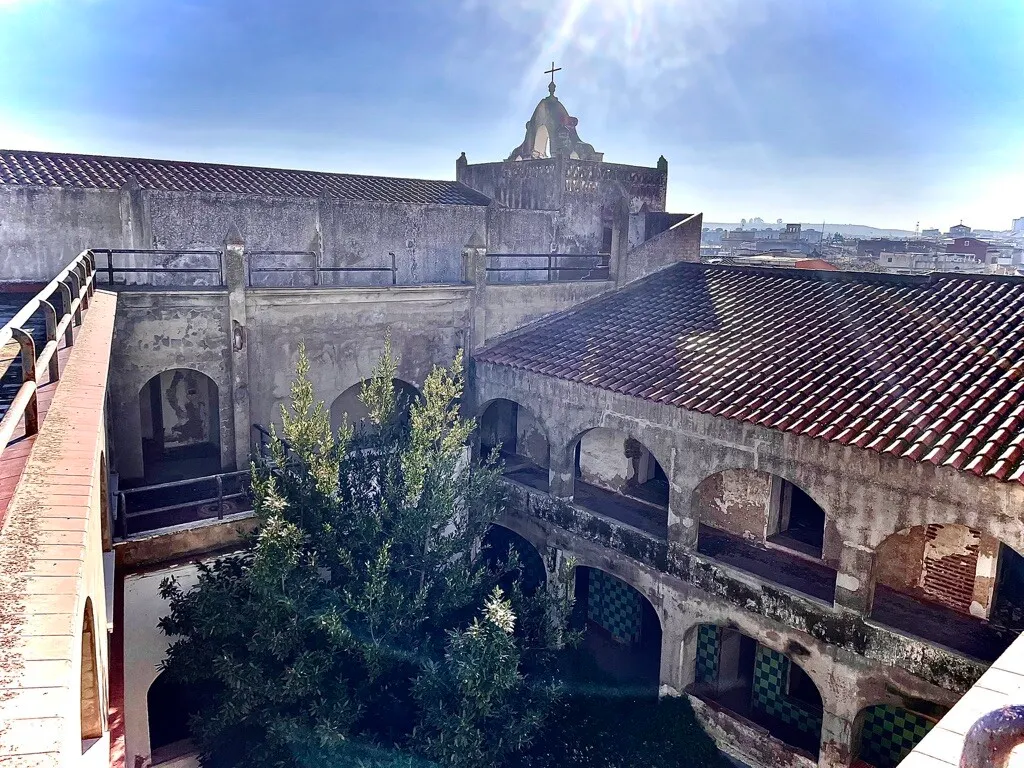
It is estimated that Spain is home to between 10,000 and 20,000 castles and palaces in varying states of conservation. In addition, there are between 300 and 400 religious monuments, churches, monasteries and convents that are currently in ruins or abandoned. Around 130 palaces have also been identified as being at serious risk of deterioration and irreversible loss. In many instances, converting these properties into hotels is the best possible outcome to preserve them and generate wealth to destinations.
But converting a historic building into a hotel requires considering a series of additional factors beyond those typically addressed in the feasibility assessment of a conventional hotel development.
Below we outline six essential aspects that we recommend should be considered to ensure the success of this type of building conversion:
1. Generation of window openings
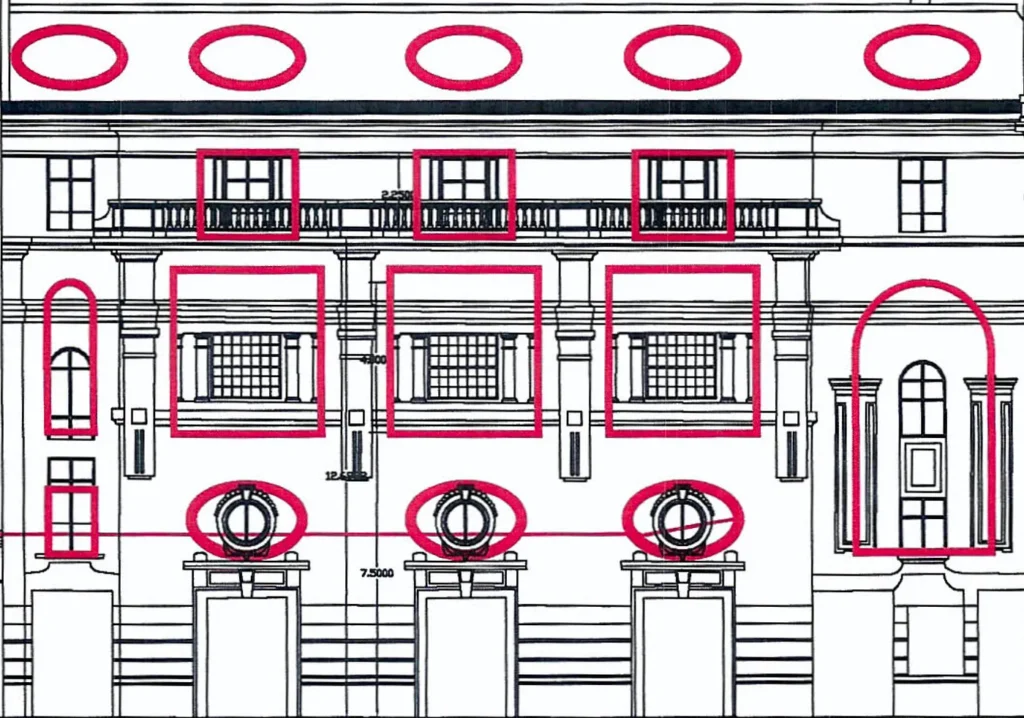
This is one of the most critical elements of the technical analysis for a future hotel property. The more windows we generate, the more rooms the future property could have, hence maximizing total revenue. A detailed review of the architectural plans of the building should allow us to determine whether the existing morphology of the property facilitates the use or creation of a sufficient number of window openings per floor. The ability to define the size, shape and location of these future windows directly affects the feasibility of the hotel project. This aspect must be assessed in conjunction with the building’s level of protection and the applicable urban planning regulations (usually a limitation in façade alterations).
2. Protection grade and regulatory framework
It is essential to understand the degree of flexibility in the application of protection and planning regulations in order to assess whether the property can be made compatible with hotel use in a financially viable way for the owner.
Particular attention must be paid to restrictions related to buildable surface, accessibility, car parking space, façades and similar constraints.
3. Morphological and functional analysis of the building
At this stage, it is mandatory to carry out the required engineering assessment to determine the rigidity of the building structure. This will be closely linked to the elements of the building that must be preserved or reconstructed with the same appearance.
In parallel, we must resolve how to create guest rooms, public areas, parking space and suppliers/services areas without altering protected elements such as façades, staircases, ceilings and other heritage building features.
4. Rehabilitation cost and financing
The feasibility study must account for construction costs that will be higher than those of a conventional hotel project, as well as additional budget items for structural reinforcement and specialised works.
In this chapter, working with specialists in securing grants and subsidies for hotel rehabilitation projects is crucial. In some cases, the restoration and reuse of these buildings may qualify for special financing grants or incentives that could significantly improve the project’s financial returns.
5. Heritage integration and hotel differentiation
Eventually, the success of the building conversion will largely depend on our ability to achieve a harmonious integration between the heritage value of the building and the distinctive identity of the future hotel.
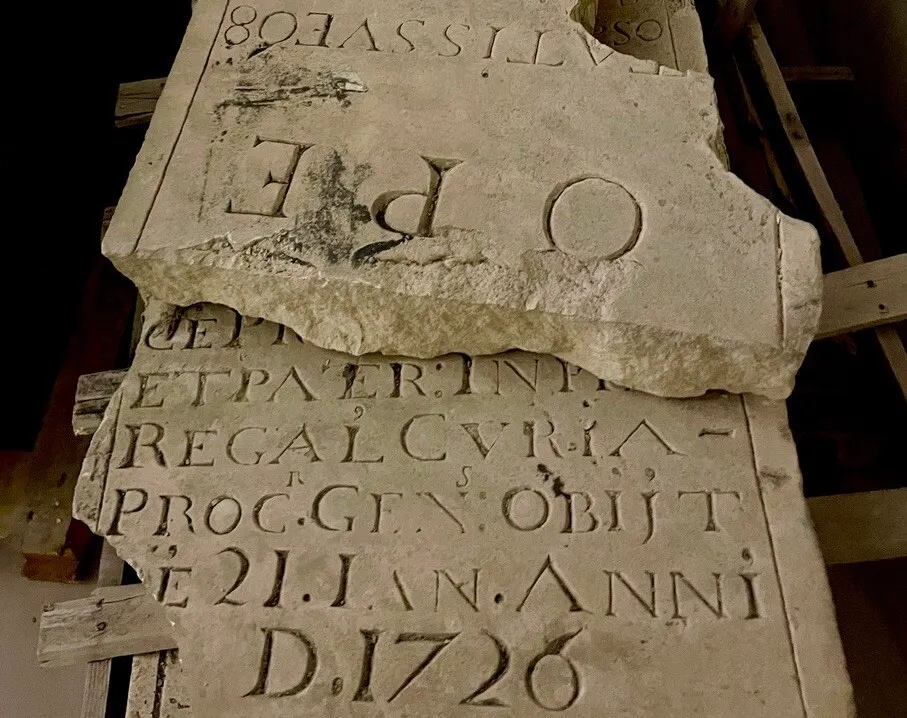
Moreover, a key side effect of reusing these properties lies precisely in their aesthetic and historical integration into their surroundings. As a result, the future hotel will be strengthened by preserving as many original elements of the building as possible. In this respect, equally critical is the selection of the hotel brand that best enhances the building’s history and shows the strongest alignment with its legacy.
Finally, involving a branding agency in the project will undoubtedly help craft a powerful, coherent and differentiated storytelling that connects the building with its future guests.
6. Integration with the local community
To conclude the process, it is essential to communicate effectively to all stakeholders involved the benefits of restoring and maintaining this heritage, compared to the gradual deterioration that would otherwise occur in the property.
Moreover, by the very nature of the hotel business, incorporating as many local human resources and suppliers as possible into the operation will be instrumental to the property’s future success. This connection with the local surroundings will contribute both to the economic development of the destination where the hotel is located and to the hotel’s long-term positioning in the market.
In summary, converting a historic building into a hotel offers a competitive advantage that is extremely difficult to replicate with a conventional property. The asset’s uniqueness, symbolic value and integration into its surroundings strongly tip the balance towards the project’s success. To achieve this, it is essential to rely on the rigorous judgement and guidance of a specialist hotel advisor throughout the different development and management phases of the project.