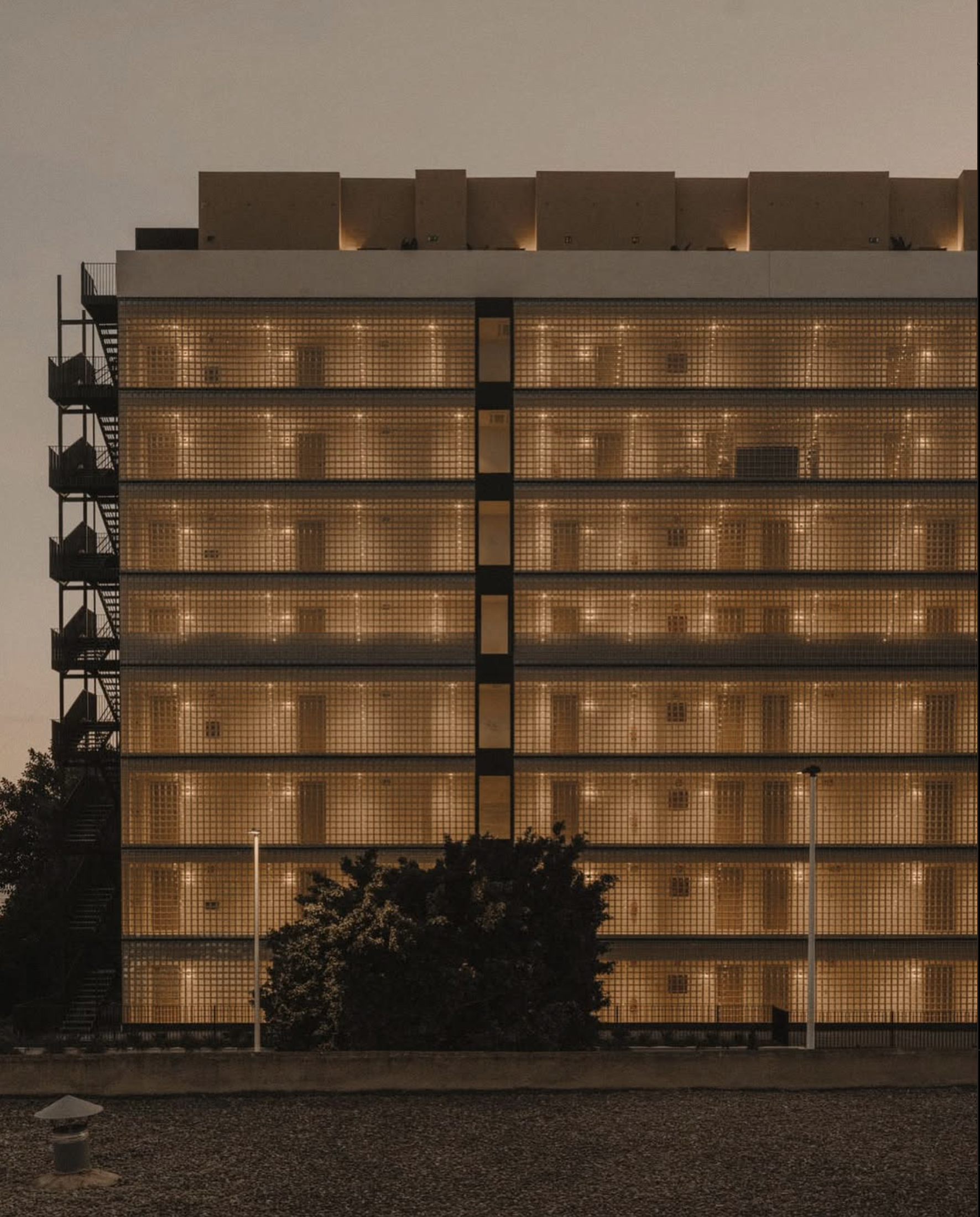
In an industry where hotels increasingly resemble one another, places that could easily be mistaken for a hospital or government offices, the importance of strong conceptual foundations cannot be overstated. At the very start of any hotel development journey, rigorous and relevant market research becomes absolutely fundamental.
Whether you are developing a new hotel, converting an existing building, repositioning an underperforming asset, or evaluating an acquisition, a thorough and professional Hotel Market & Feasibility Study is essential. This study must go far beyond generic data and provide actionable, tailored insights that truly guide decision-making.
However, in today’s fast-paced environment, where large firms are under pressure to meet ambitious business targets, hotel owners and investors should be cautious with regards to the rigor of the output produced by the hospitality consulting team tasked with the project evaluation.
To avoid laying the ground to develop yet another impersonal hotel, your feasibility report should meet the following five core requirements:
1. Project-Specific Focus: The entire report produced by the hotel consulting firm needs to be 100% specific to your hotel project.
2. Multiple Information Sources: The report conclusions should be drawn from a wide variety of data points, not just rely on a single narrative or internal template.
3. Segment Contextualisation: The project must be assessed within the context of its intended market segment and business concept.
4. Evidence-Based Product Definition: Recommendations must emerge logically from the research findings, even if they challenge local market assumptions.
5. Avoid Average-Based Forecasting: Your project’s performance potential should not be constrained to the market average. Bold, market-leading concepts should be explored when the data supports them.
Conversely, red flags that may indicate a shallow or misdirected feasibility study include:
Too Much Data, Not Enough Insight: More than half of the report volume is simply the compilation of generic destination statistics, not specifically and directly relevant to the specific project.
Superficial Demand Assumptions: Demand generators are taken for granted. They are quickly introduced as headlines, not even analysed or challenged in any way.
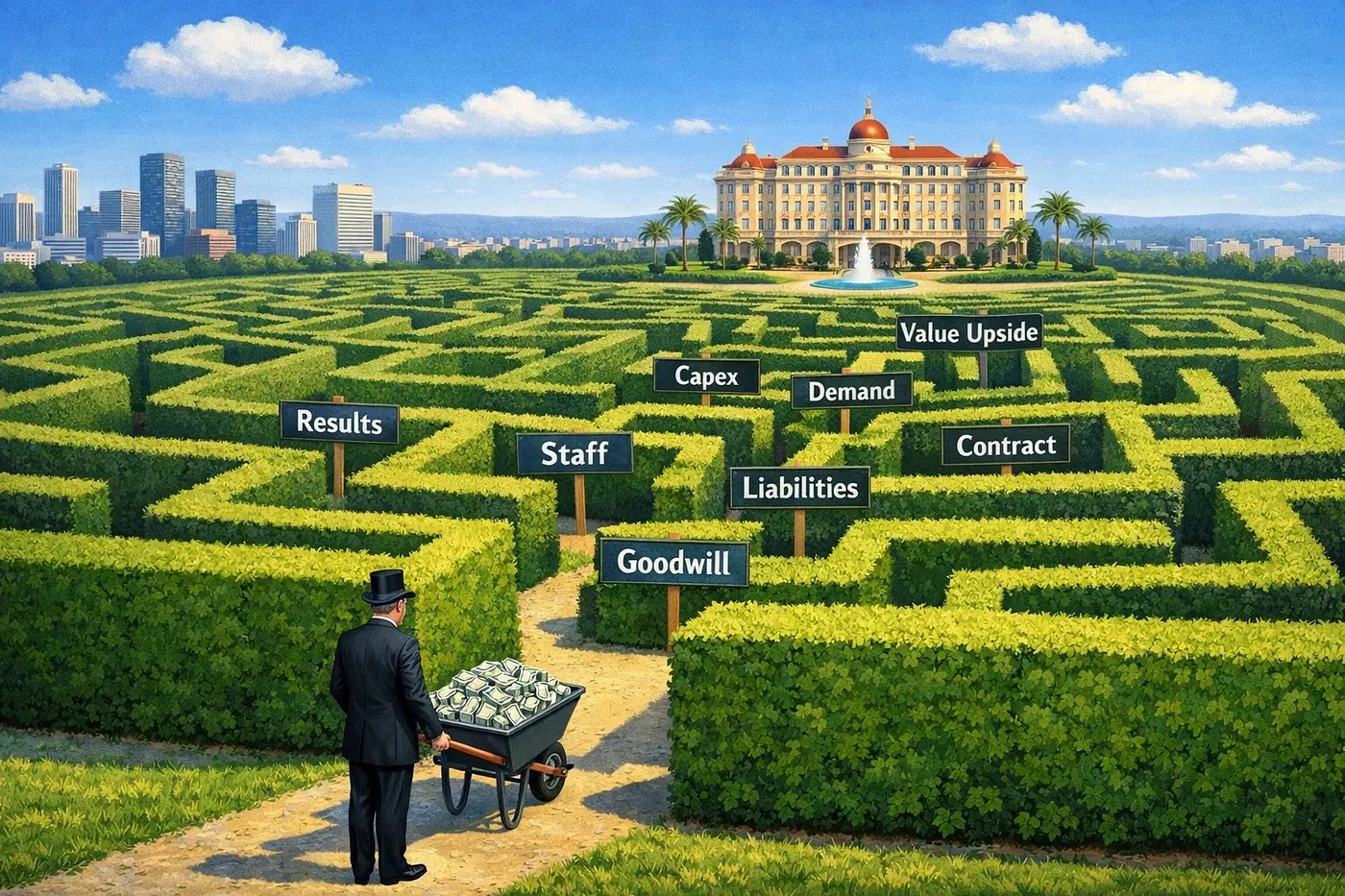
Scenario Planning Gaps: No scenario planning is carried out due to weak or unverified demand assumptions. No back-up plans are considered, no worst/best case scenario can be outlined, no market disruptions can be considered, etc.
Brand over Precision: Data sources are not quoted in the report. The hotel consulting brand reputation is assumed to equal analytical rigor.
Predicting the Ordinary: Past average performance is used to predict future performance. The result is a project designed to be average, with no space for new or differentiated concepts.
Generic Metrics, Flawed Decisions: Asset valuation and performance projections are not based on individual competitive intelligence but on aggregated market metrics, compromising the integrity of the data used for decision-making.
As hotel development becomes increasingly standardised, the need for thoughtful, case-specific feasibility work has never been greater. Owners deserve insights that are tailored and analytical, reports that trigger ideas, challenge assumptions, and offer real strategic clarity.
In a landscape where reports are too often predefined and driven by convenience, a deeper commitment to analytical rigor and contextual nuance can make the difference between an average hotel and one that leads its market. After all, extraordinary hotels start with unconventional thinking, beginning with the feasibility study.