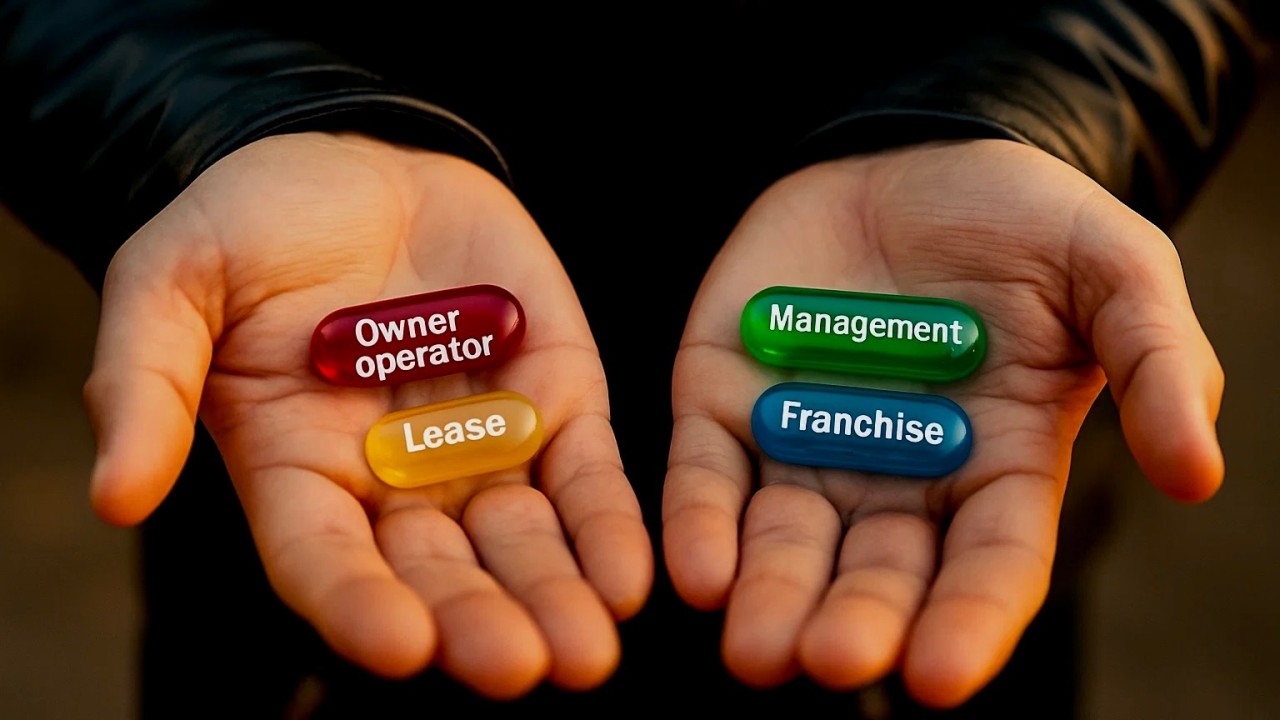
In Spain, approximately 85% of hotel supply is owned by independent owners. The management of these hotels is largely carried out by the owning families themselves, either directly or through family-owned corporate structures.
Within these ownership structures, it is common to find one or several family members actively involved in the day-to-day management of the hotel, while the remaining board members have often developed their professional careers entirely outside the hospitality industry.
A Growing Shift in Management Mindset
Increasingly, two converging factors are triggering changes in the management structure of these hotel assets:
1. Imminent generational transition
It is often the case that a new generation reaches adulthood and becomes eligible to join the company’s board of directors.
In order to preserve objectivity and neutrality in the future distribution of returns from the family’s assets, the board may seek to implement internal rules that prevent family members from continuing to benefit from employment or provide professional services within the hotel.
2. The positive evolution of the hotel industry in Spain becomes structural
The most common scenario we encounter as hotel advisors is that, as a result of the strong performance currently experienced by the hotel sector in Spain, some shareholders propose suddenly to the board of directors the need to audit the hotel’s management in order to ensure that it is being carried out professionally and in line with the most up-to-date market practices.
These board members may also suggest exploring alternative scenarios for value creation and profitability, such as selling the hotel, repositioning the asset, or introducing a professional hotel management company to replace the existing structure.
How to Identify the Most Suitable Solution to implement this Change?
The most appropriate evaluation approach in these cases is to rely on an external hotel expert who can:
– Analyse the hotel asset objectively and professionally, assessing its performance within the context of its market.-
- – Present to the board of directors the main conclusions drawn from this analysis, outlining a range of potential value-enhancement alternatives that cover the full spectrum of options, from the least to the most transformative.
Ultimately, the decision regarding the depth and scope of the solution to be implemented naturally rests with the board of directors.
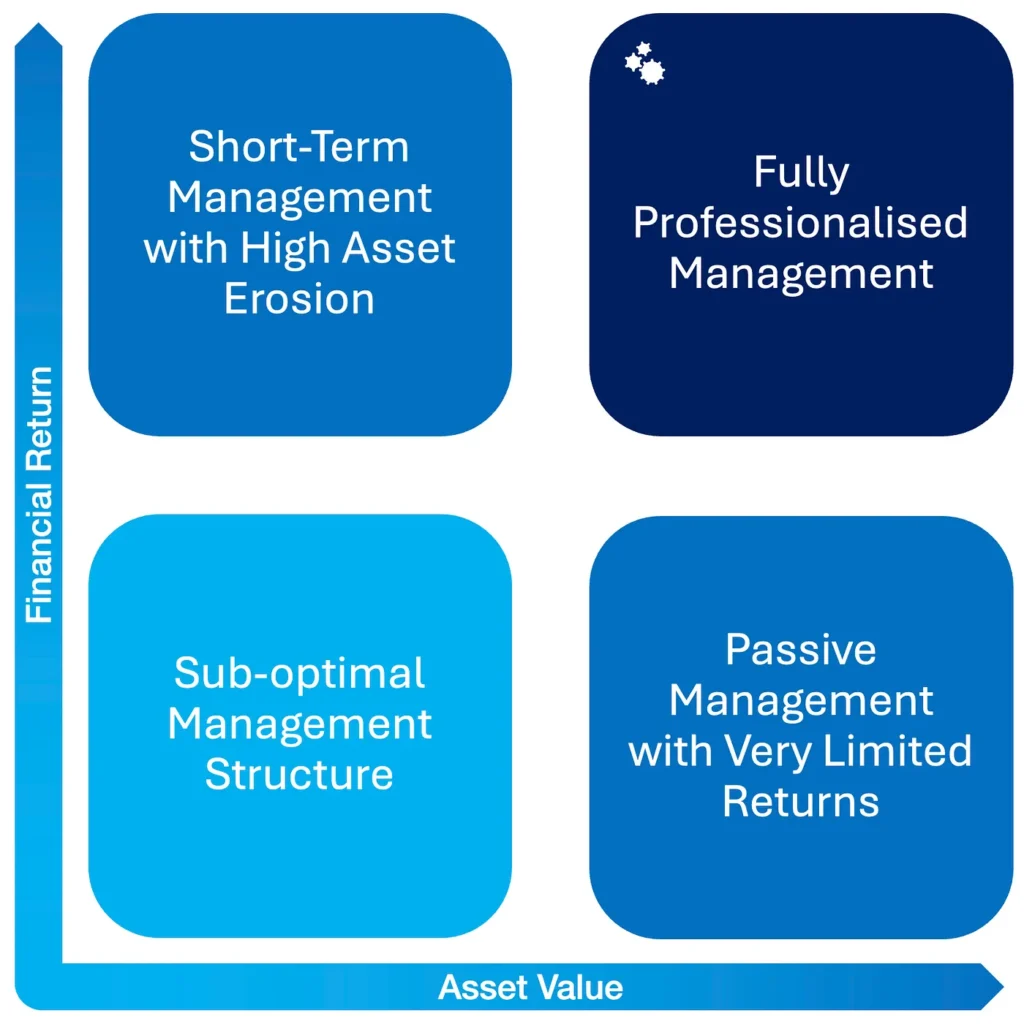
But the underlying principle is always that, except in unusual circumstances, a higher degree of professionalisation in management tends to generate greater asset value and improved returns for all family shareholders.
Naturally, professionalisation often entails additional capex investment in the asset and, in some cases, the need to reshuffle the existing staff, etc. These are decisions that carry both economic and family implications, and therefore rarely free from debate. However, addressing them proactively and professionally is essential to avoid entering a downward spiral of asset depreciation.