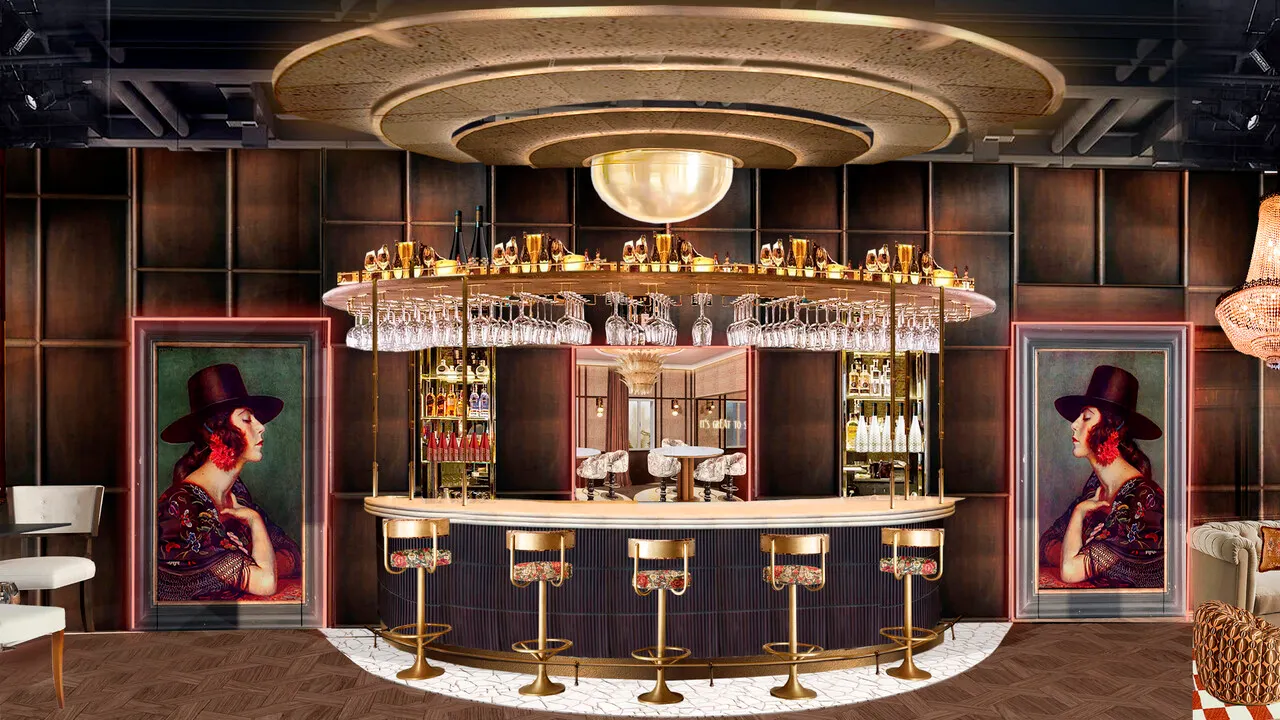
Spain is the world’s second-largest destination in terms of international tourism arrivals. In mature hotel markets such as this one, the extreme scarcity of prime locations gives even greater economic rationale to converting properties with alternative uses — or buildings at shell stage — into hotel use. However, not every location is suitable for a hotel, not every building can be converted into one at any cost, and, above all, not every hotel concept will necessarily maximise the economic value of a specific property or location.
To ensure that we make a sound, well-informed asset decision — based on reliable market data — we strongly recommend these 3 steps:
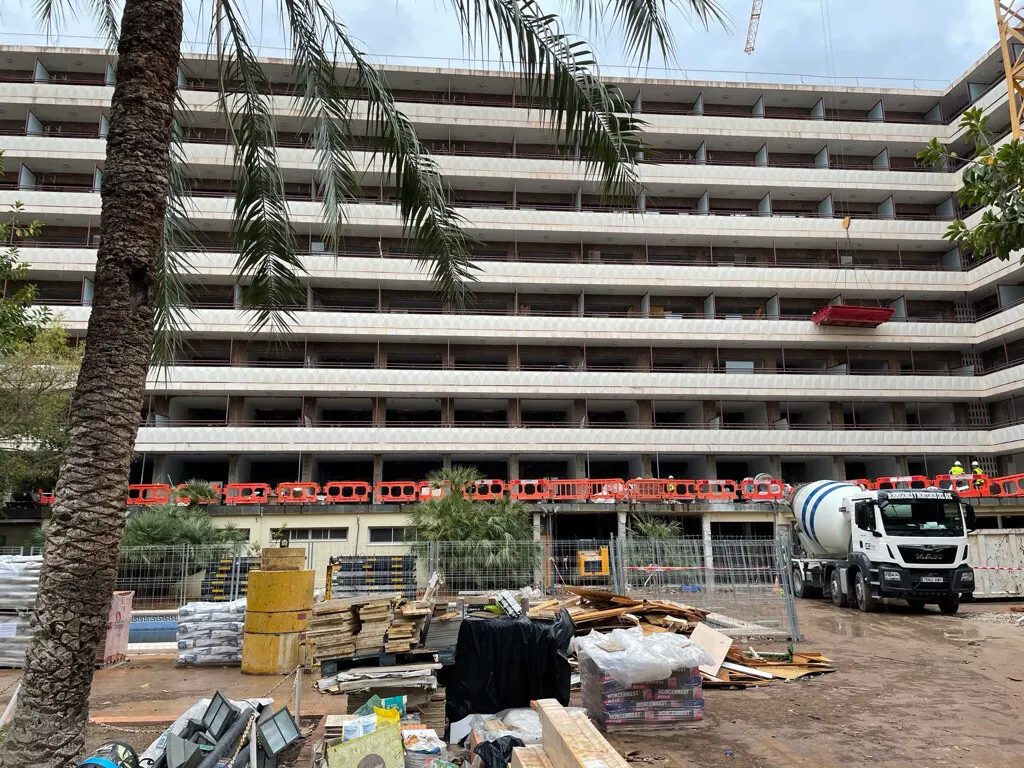
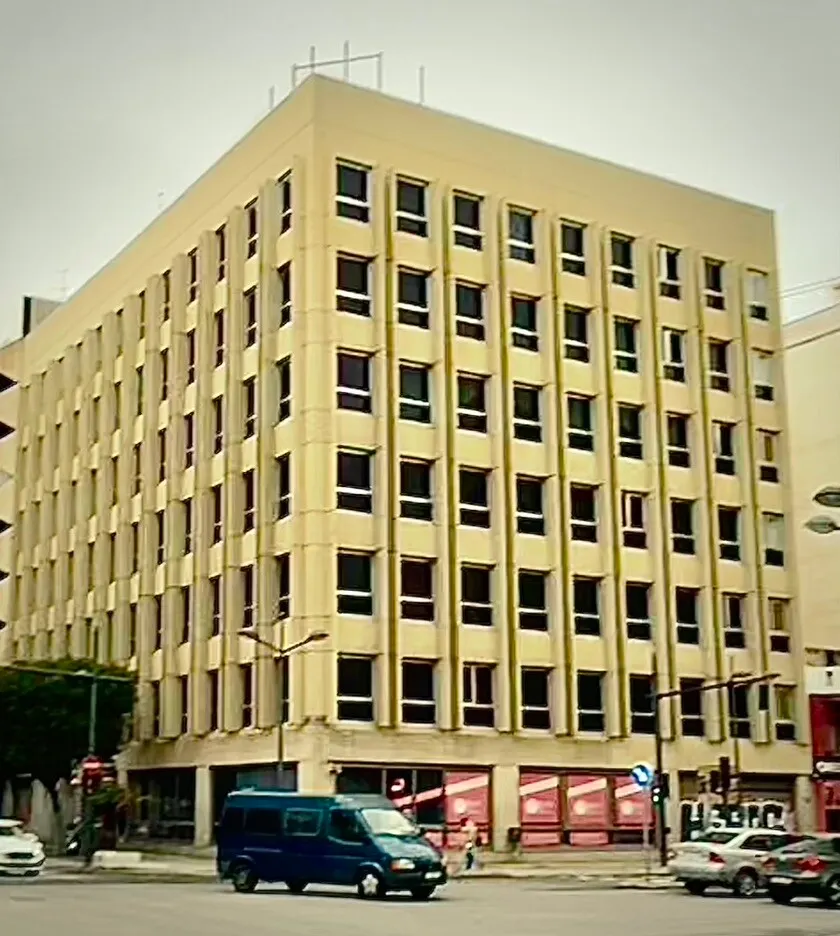
Mercure Benidorm
1. Carrying Out a Market Study
The first step is always to confirm the existence of solid market data indicating that the location genuinely benefits from sufficient demand generators to sustain an adequate level of occupancy in a future property, throughout the week.
Beyond any intuitive perception that a city or location may suggest the presence of hotel demand, we must carry out a rigorous review of the available data, led by a specialised hotel consultant. Following this process will guarantee maximum objectivity when making an asset-related decision that will have multi-million-euro economic implications over many years.
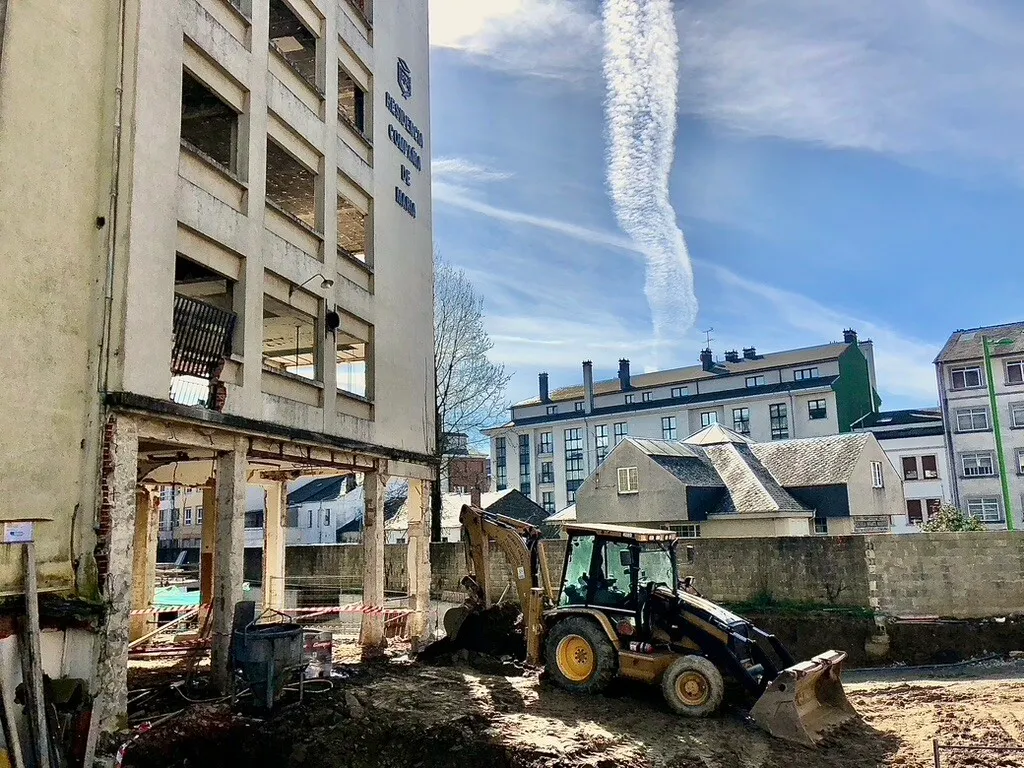
Mercure Lugo
2. Performing a Feasibility Analysis
It is highly advisable to work with experienced architectural and interior design teams. All parties involved in the refurbishment of the property must have proven experience in delivering hotel projects. However, we cannot design a hotel concept in the abstract, based on untested business assumptions or on a theoretical idea that merely appears logical.
Moreover, the fact that other investors or developers may have implemented certain hotel concepts near our property should not, in itself, lead us to any conclusions regarding the viability of our project or the positioning strategy we should adopt. We must analyse a wide range of parameters beyond the existing hotel supply in the area. And this is not a technical exercise — it must be carried out by a hotel business specialist.
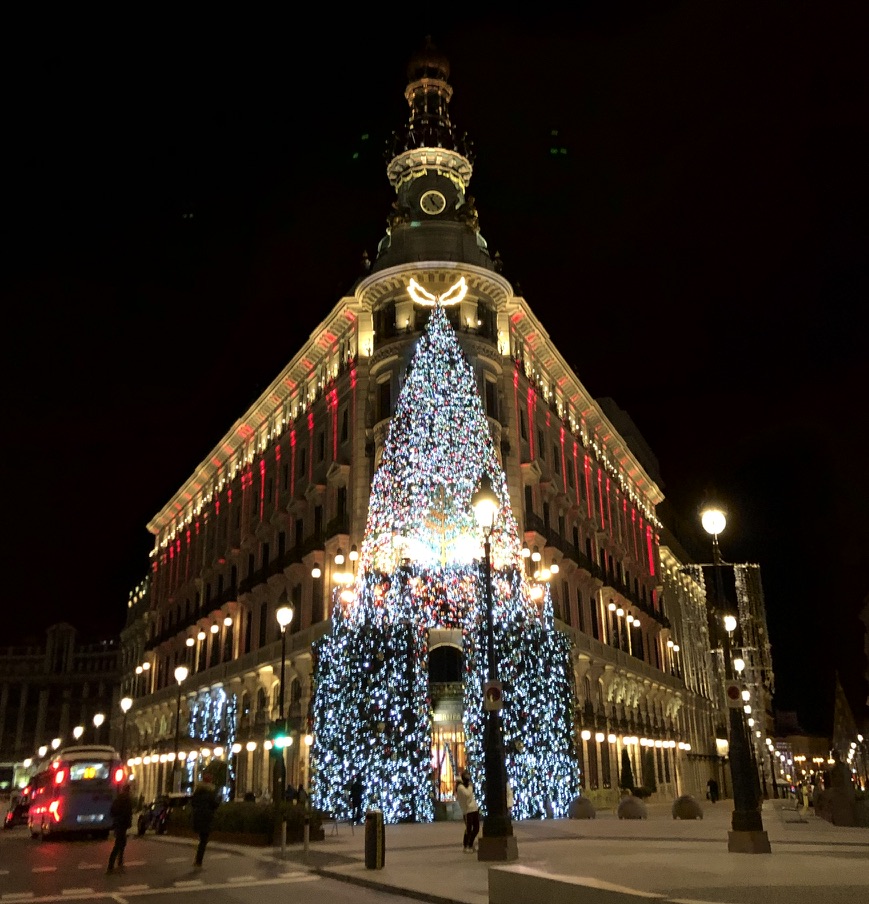
MYR Valencia Hotel
3. Defining the Product Concept
The market data obtained from the initial study, the commercial performance of the location, and the physical characteristics of the property must all be integrated into a model from which we can extract conclusions regarding required capex levels, an appropriate acquisition price, estimated FF&E levels, interior design investment volume, landscaping costs, and more.
All these parameters must be framed within a clearly defined product concept, determined on the basis of the market study conclusions (phase 1) and a detailed inspection of the space distribution and volumes available in the building.
We must be prepared to accept that the business model to be developed in our location should be dictated by the market: be it a luxury hotel, a sports hotel, a hostel, an eco-resort, an exclusive boutique hotel, a limited-service hotel, a glamping project, a mixed-use concept, etc.
Last, but not least, who will operate the hotel, which brand will be created or which franchise will be adopted to maximise asset value, how the F&B concept will be structured, etc. — these will all be commercial decisions that must be defined in detail in line with the owner’s contractual, financial, regulatory and legal requirements.
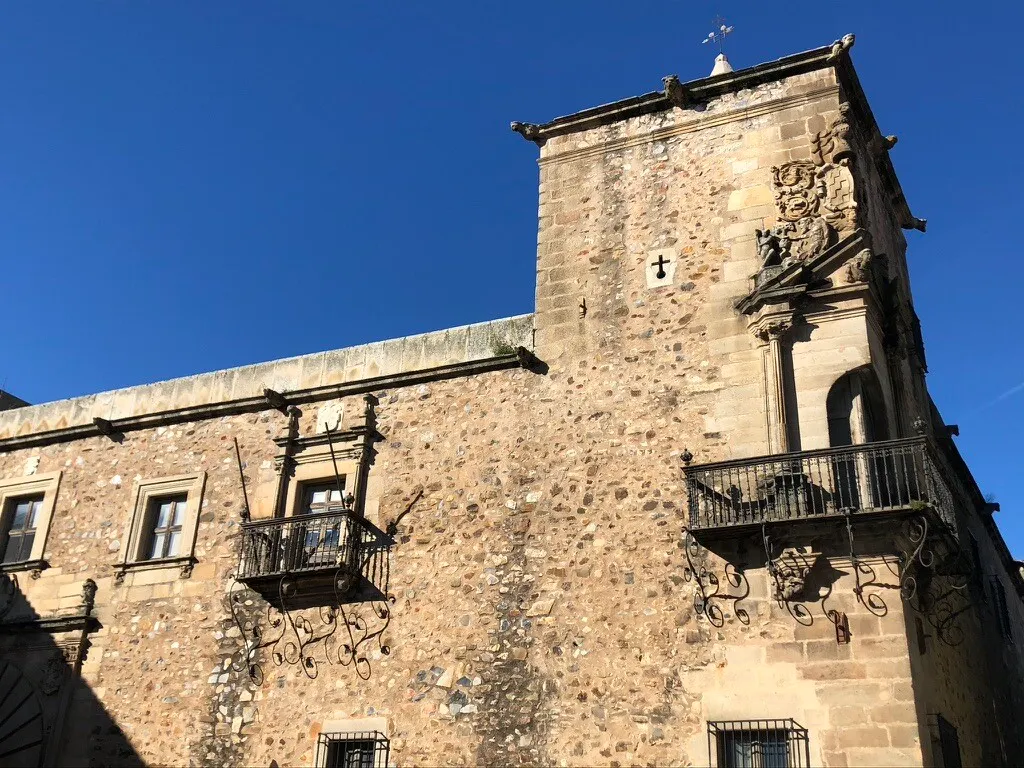
Curio by Hilton Cáceres
With these 3 business fundamentals under control, the project success is virtually assured.
The next critical phase will then be the execution of the strategy that that we have just presented above. Again, developing and executing the project side by side with hospitality industry experts will be critical to the successful delivery of the end product.