Correctly determining the value of a hotel property is essential when facing major asset decisions such as acquiring a hotel, securing financing, selling a hotel asset or disposing of an equity stake on a property.
If the objective is to obtain a true and fair market valuation of a hotel asset, the 3 main recommendations that should guide a hotel owner or investor would be the following:
1. Always rely on hotel experts to determine value
When dealing with hotel properties, two value components overlap: the value of the hotel business operated within the property and the value of the underlying real estate asset.
With regard to the analysis of the hotel business, the specialist carrying out the valuation must be capable of thoroughly assessing the hotel’s economic performance (rooms, F&B, events, etc.), the capabilities of the hotel operator, the potential of the hotel brand, its market positioning, commercial strategy and operational efficiency. This analysis must necessarily be framed within the specific market context in which the hotel operates. It is essential to identify and evaluate in detail the dynamics of that particular market in order to determine whether they support the valuation of the asset.
Secondly, the analysis of the real estate component must define its value as a real estate investment, the degree to which the building is optimised for hotel use, and its comparative market valuation, among other factors. This process will result in a very precise assessment of the value of the real estate component.
Therefore, given that a hotel is a real estate asset in which a highly specialised business activity converges, it is clear that the professional undertaking such an analysis should be a hotel specialist, rather than a purely technical professional (i.e. an architect) or a professional with no practical exposure to the operational realities of the hotel business.
2. Make sure you use hotel business valuation criteria
Widely recognised hotel valuation parameters, such as EBITDA multiples, comparable transactions, market discount rates, price per room, rent per room, among others, together with replacement cost, are the most appropriate tools for valuing a hotel correctly. These criteria are in turn derived from key operating metrics such as ADR, occupancy, RevPAR, GOP, departmental margins, hotel category, property type, and product attributes.
This seemingly obvious approach, however, stands in direct contradiction with the current regulatory framework governing official property valuations in countries such as Spain (#2 tourist destination in the world). Said regulation, issued by the Central Bank of Spain, makes only vague references to hotel use and provides no specific guidance or criteria for the proper valuation of hotel assets (Order ECO/805/2003 of 27 March, on valuation standards for real estate assets and certain rights for specific financial purposes). So, again, using hotel industry criteria when valuing a hotel asset is absolutely mandatory.
3. Determine the hotel’s value upside potential
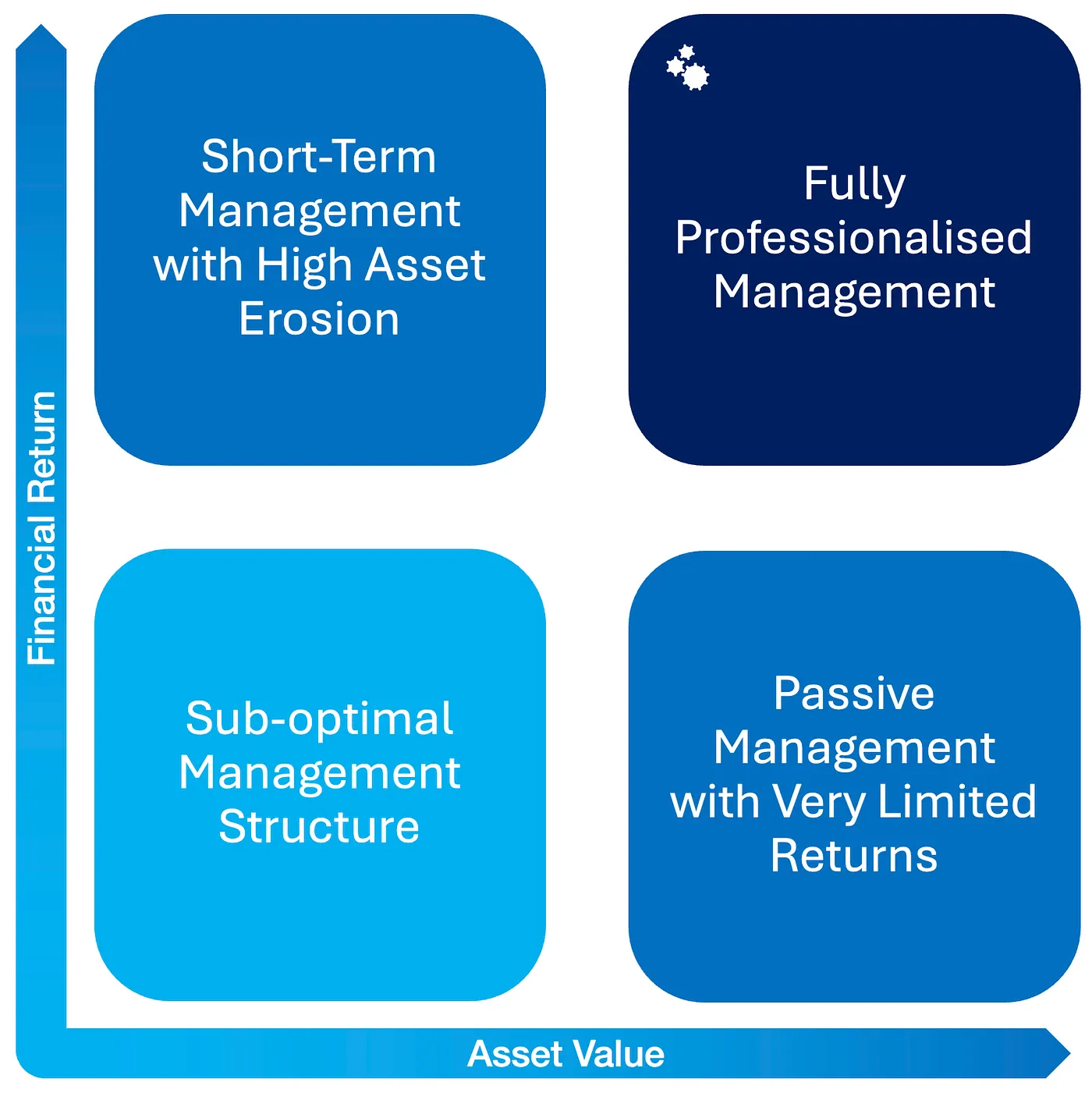
Last, but not least, one of the most interesting aspects of hotel valuation lies in the ability to identify the potential value increases that a hotel asset may achieve by addressing various constraints on profitability, such as management quality, contract structure, brand strength, property category, market positioning, product attributes, and building optimisation, among others. The hotel value upside can be absolutely critical in setting the right price in asset acquisitions or disposure negotiations, so making sure a hotel specialist understand these scenarios is vital.
In short, valuing a hotel requires far more than applying generic real estate methodologies. It demands a deep understanding of both the hotel business and the market in which the particular asset operates. Only through a specialised, market-driven approach can owners and investors accurately assess value, identify upside potential and make well-informed strategic decisions.